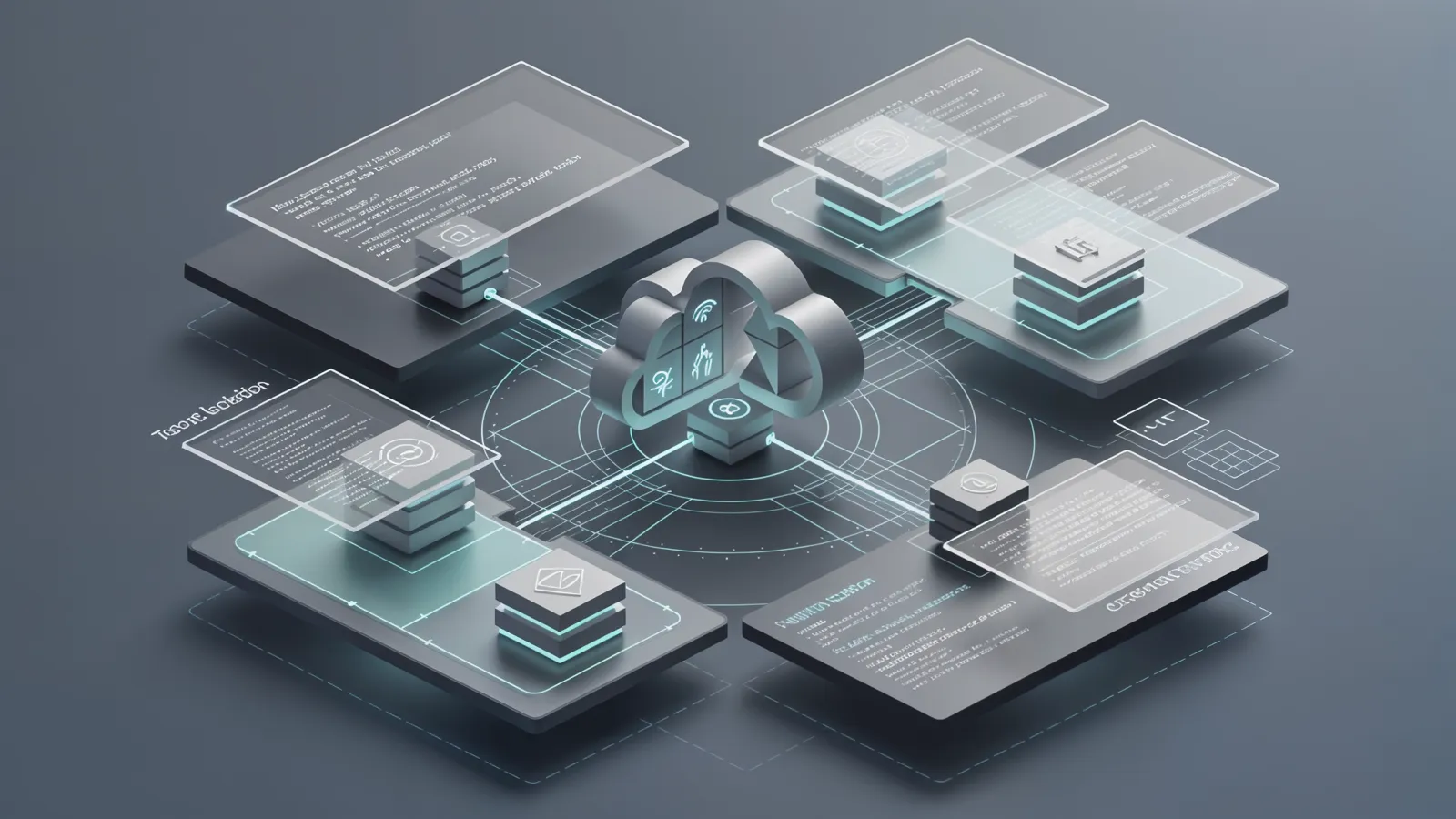
One of the first questions in any AI project is simple: where does the system run?
That choice affects security, support, rollout speed, and who controls the environment.
In practice, most projects use one of two models: managed application or customer-controlled cloud.
1. Managed application
This is the right fit when speed matters more than full infrastructure control.
Typical characteristics:
- the vendor operates the application layer
- the workflow is delivered as a managed product or managed service
- the customer gets the outcome without owning the full infrastructure
- rollout is usually faster and lighter-weight
This model works well for:
- campaign activations
- lighter workflow automation
- product usage that does not require customer-owned infrastructure
There is nothing inherently wrong with this model. It is often the fastest way to get value.
2. Customer-controlled cloud
This is the right fit when governance, data control, or environment control matter as much as model performance.
Typical characteristics:
- workloads run in the customer cloud account
- access is controlled through customer-approved IAM and infrastructure patterns
- sensitive data stays inside customer-controlled environments
- rollout follows the customer’s own governance process
This model works well for:
- regulated workflows
- internal operations
- media and document systems with tighter control requirements
- enterprise teams that need ownership over infrastructure and change management
What "customer cloud" should mean
The phrase gets overused. For us, it should mean at least some combination of:
- customer-owned or customer-governed cloud accounts
- customer-approved access patterns
- data staying inside agreed customer environments
- deployment level should match operational readiness, not demo readiness
Delivery should fit operations, not templates.
How to evaluate case studies through this lens
A case study should tell you:
- whether the system is managed or customer-deployed
- whether it is a campaign, rollout, or production system
- what public material supports the story
If a case study says enterprise-ready or live without stating where it runs, ask for deployment details.
How Pixel ML uses both models
We use both.
Some projects are delivered as managed applications. Some are deployed into customer cloud environments. The right answer depends on the workflow, the data, and the customer’s operating requirements.
Examples:
- campaign work like Vinasoy and Enfagrow fits a lighter-weight delivery model
- enterprise workflows like GMA and APAC aviation fit customer-controlled infrastructure
- regulated financial-services work usually requires tighter control
The practical question to ask
Whenever you read an AI case study, ask:
Where does this system actually run, and who controls the environment?
That question clears up a lot very quickly.